Uzbekistan Tour Guide: A Comprehensive Overview (Updated May 3‚ 2026)
Uzbekistan is rapidly becoming a premier travel destination‚ experiencing significant growth in inbound tourism and showcasing its rich Silk Road heritage.
Uzbekistan‚ a captivating nation in Central Asia‚ beckons travelers with its mesmerizing blend of ancient history‚ vibrant culture‚ and stunning landscapes. Situated along the legendary Silk Road‚ this land boasts a rich heritage reflected in its magnificent architecture and bustling bazaars. From the majestic cities of Samarkand and Bukhara to the modern capital‚ Tashkent‚ Uzbekistan offers a diverse range of experiences.
Historically a crossroads of civilizations‚ Uzbekistan has been influenced by Persian‚ Turkic‚ and Russian cultures‚ creating a unique identity. Today‚ it’s a nation undergoing a tourism renaissance‚ welcoming visitors with open arms and showcasing its commitment to preserving its cultural treasures. Prepare to be enchanted by the warmth of the Uzbek people and the timeless beauty of this Central Asian gem.
Why Visit Uzbekistan?
Uzbekistan offers an unparalleled travel experience‚ blending historical grandeur with modern development. Explore the iconic cities of the Silk Road – Samarkand‚ Bukhara‚ and Khiva – and marvel at their breathtaking Islamic architecture‚ intricate mosaics‚ and ancient fortresses. The country is experiencing a surge in inbound tourism‚ ranking among the fastest-growing destinations globally.
Beyond the historical sites‚ Uzbekistan provides opportunities for cultural immersion‚ from sampling delicious plov (pilaf) and local bread to witnessing traditional crafts. Nature enthusiasts can venture on Aral Sea tours and discover unique wildlife. With increasing flight availability and innovative AI-powered tourism planning tools‚ Uzbekistan is more accessible and appealing than ever before. It’s a destination that truly captivates the senses and leaves a lasting impression.
Planning Your Trip to Uzbekistan
Careful planning ensures a smooth journey; consider visa requirements‚ optimal travel seasons‚ and transportation options for an unforgettable Uzbek adventure.
Best Time to Visit Uzbekistan
Uzbekistan offers a delightful experience year-round‚ but the most favorable times to visit are during the spring and autumn months. Spring (March-May) unveils a breathtaking spectacle of blooming trees and mild‚ comfortable weather‚ ideal for those sensitive to intense heat. This period provides a peaceful and colorful ambiance for exploration.
Alternatively‚ Autumn (September-October) presents equally appealing conditions with mild temperatures and the vibrant hues of the harvest season. Both seasons are considered perfect for travel‚ offering pleasant weather for sightseeing and outdoor activities. Tours focusing on wildlife‚ like Aral Sea Tours‚ are best undertaken from May to October. Italian groups have successfully explored Uzbekistan in March‚ demonstrating spring’s viability. Careful consideration of these seasonal advantages will enhance your Uzbek journey.
Spring (March-May): Blooming Beauty
Spring in Uzbekistan‚ spanning from March to May‚ is a truly enchanting season. The landscape transforms into a vibrant tapestry of color as trees burst into bloom‚ creating a picturesque backdrop for exploration. The weather during these months is remarkably mild and comfortable‚ making it exceptionally appealing for travelers who prefer to avoid extreme heat.
This period offers a peaceful and serene atmosphere‚ perfect for immersing oneself in the country’s rich history and culture. It’s an ideal time for leisurely strolls through ancient cities like Samarkand and Bukhara‚ and for enjoying the blossoming gardens. Recent explorations by Italian groups in March confirm spring’s suitability for travel‚ highlighting its beauty and pleasant conditions. Professional ornithologists also favor this time for wildlife observation.
Autumn (September-October): Mild Weather & Harvests
Autumn‚ specifically September and October‚ presents another excellent window for visiting Uzbekistan. Following the summer heat‚ the weather settles into a comfortably mild range‚ creating ideal conditions for sightseeing and outdoor activities. This season coincides with the harvest season‚ offering a unique opportunity to witness local traditions and sample fresh‚ seasonal produce.
The landscapes take on warm‚ golden hues‚ adding to the country’s already stunning visual appeal. It’s a particularly pleasant time to explore the historical cities and experience the local culture without the intensity of summer crowds. Like spring‚ autumn is considered a “perfect” time to visit‚ offering a balance of agreeable weather and cultural richness‚ making it a favored period for tourism.
Uzbekistan Visa Requirements
Uzbekistan has significantly simplified its visa process in recent years to encourage tourism. Currently‚ citizens of over 90 countries‚ including many European nations‚ North America‚ Australia‚ and New Zealand‚ can enjoy visa-free travel for up to 30 days. This policy aims to boost inbound tourism and make the country more accessible to international visitors.
For those requiring a visa‚ an electronic visa (e-visa) is readily available online through the official government portal. The application process is straightforward and typically takes around three business days to process. It’s crucial to apply well in advance of your travel dates to avoid any potential delays. Ensure your passport has at least six months of validity remaining from your date of entry.
Getting to Uzbekistan: Flights & Transportation
Uzbekistan is increasingly well-connected internationally‚ with Tashkent International Airport (TAS) serving as the primary gateway. Several major airlines now offer direct flights from key hubs in Europe‚ Asia‚ and the Middle East‚ including Turkish Airlines‚ Lufthansa‚ and Korean Air. Domestic air travel is also a convenient option for traversing the country‚ with Uzbekistan Airways operating regular flights between major cities.
Within cities‚ taxis are readily available and affordable‚ though agreeing on a price beforehand is recommended. The high-speed “Afrosiyob” train network provides a comfortable and efficient way to travel between Tashkent‚ Samarkand‚ and Bukhara. Marshrutkas (minibuses) offer a more budget-friendly‚ albeit sometimes crowded‚ option for local transportation.
Must-See Cities & Regions
Uzbekistan’s ancient cities – Tashkent‚ Samarkand‚ Bukhara‚ and Khiva – offer captivating historical sites and cultural experiences for every traveler’s delight.
Tashkent: The Modern Capital
Tashkent‚ Uzbekistan’s vibrant capital‚ presents a fascinating blend of Soviet-era architecture and traditional Asian influences. Unlike the ancient cities‚ Tashkent largely rebuilt after the 1966 earthquake‚ offers wide boulevards‚ modern amenities‚ and a bustling urban atmosphere. Visitors can explore numerous museums‚ including the State Museum of Applied Arts‚ showcasing intricate local crafts.
The Khast Imam Complex‚ a significant Islamic center‚ houses the oldest Quran in the world‚ the Uthman Quran. Don’t miss the Chorsu Bazaar‚ a sprawling marketplace brimming with local produce‚ spices‚ and textiles – a true sensory experience. Tashkent’s metro system is also renowned for its ornate stations‚ each uniquely decorated. The city serves as a convenient gateway for exploring the rest of Uzbekistan‚ offering excellent transportation links.
Samarkand: The Jewel of the Silk Road
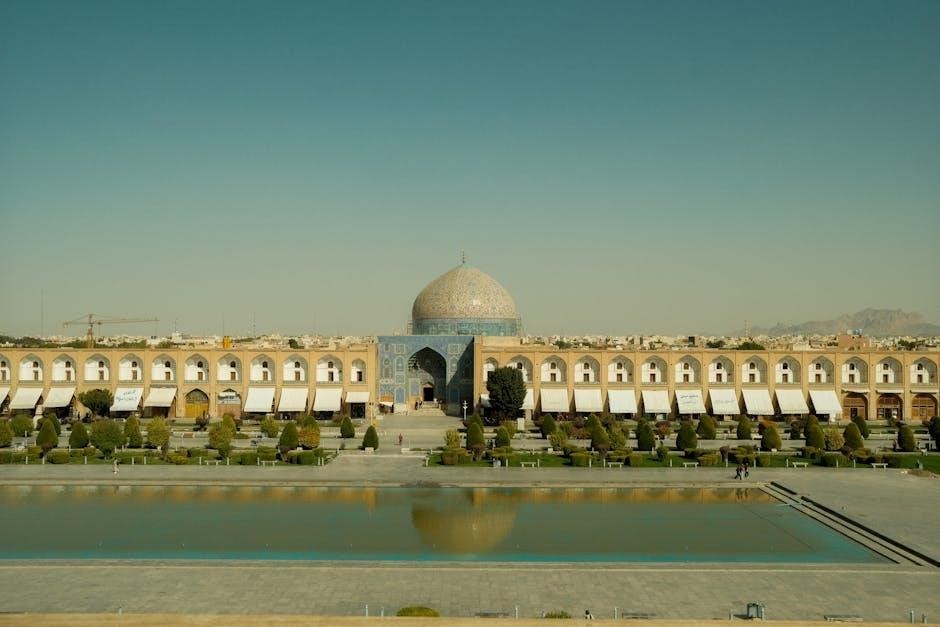
Samarkand‚ a UNESCO World Heritage site‚ embodies the splendor of the Silk Road. For centuries‚ it was a crucial crossroads for trade and culture‚ leaving behind a breathtaking legacy of architectural marvels. The city’s historical center is a captivating tapestry of mosques‚ madrassahs‚ and mausoleums‚ showcasing intricate tilework and grand designs.
Prepare to be awestruck by the Registan Square‚ a majestic ensemble of three stunning madrassahs. The Gur-e-Amir Mausoleum‚ the final resting place of Timur (Tamerlane)‚ is another iconic landmark. Beyond the main attractions‚ explore the Shah-i-Zinda necropolis‚ a complex of beautifully decorated mausoleums‚ and the Bibi-Khanym Mosque‚ a testament to Timur’s ambition. Samarkand truly transports visitors back in time.
Registan Square
Registan Square stands as the heart of Samarkand and a breathtaking example of Islamic architecture. This UNESCO World Heritage site is framed by three magnificent madrassahs: the Ulugh Beg Madrassah‚ the Sher-Dor Madrassah‚ and the Tilya-Kori Madrassah; Each structure boasts intricate mosaic tilework‚ towering minarets‚ and grand iwans (arched gateways).
The square served historically as a public gathering place and a center for religious learning. Today‚ it’s a mesmerizing spectacle‚ particularly when illuminated at night. Visitors can explore the madrassahs’ interiors‚ admiring the detailed craftsmanship and learning about their historical significance. The sheer scale and artistry of Registan Square are truly unforgettable‚ embodying the golden age of the Silk Road.
Gur-e-Amir Mausoleum

The Gur-e-Amir Mausoleum in Samarkand is the final resting place of Timur (Tamerlane) and his descendants. This stunning architectural masterpiece showcases a blend of Persian and Central Asian styles‚ characterized by its majestic blue dome and intricate ornamentation. Originally built for Timur’s grandson‚ Muhammad Sultan‚ it was later repurposed as Timur’s own tomb.
Inside‚ visitors can marvel at the opulent interior‚ adorned with lapis lazuli‚ gold leaf‚ and elaborate carvings. The mausoleum’s design influenced Mughal architecture in India‚ notably the Taj Mahal. It stands as a powerful symbol of Timurid power and artistic achievement. Exploring the Gur-e-Amir offers a profound glimpse into Uzbekistan’s rich history and cultural heritage.
Bukhara: A Living Museum
Bukhara‚ a UNESCO World Heritage site‚ truly embodies the spirit of a “living museum.” Unlike many historical cities‚ Bukhara remains a vibrant‚ inhabited center‚ where life unfolds amidst ancient monuments. Wandering through its labyrinthine streets feels like stepping back in time‚ surrounded by centuries of history and architectural grandeur.
The city boasts an exceptionally well-preserved historic center‚ featuring numerous mosques‚ madrasahs‚ minarets‚ and caravanserais. Local artisans continue traditional crafts‚ adding to the city’s authentic atmosphere. Bukhara offers a unique opportunity to experience Uzbek culture firsthand‚ engaging with locals and witnessing their daily lives within a stunning historical setting. It’s a captivating destination for those seeking an immersive cultural experience.
Poi Kalyan Complex
Poi Kalyan is the heart of Bukhara‚ a stunning religious complex showcasing the city’s architectural prowess. Dominating the skyline is the Kalyan Minaret‚ a towering brick structure dating back to the 12th century‚ historically used for calling Muslims to prayer and‚ legend has it‚ as a place of execution. Its intricate brickwork is a masterpiece of Islamic design.
Alongside the minaret stand the Kalyan Mosque and the Mir-i-Arab Madrasah. The mosque‚ capable of accommodating thousands of worshippers‚ is a testament to the scale of religious life in Bukhara. The Madrasah‚ still functioning today‚ represents a center of Islamic learning. Visiting Poi Kalyan offers a profound glimpse into Bukhara’s spiritual and intellectual heritage‚ a truly unforgettable experience.
Lyabi-Hauz Ensemble
Lyabi-Hauz‚ meaning “around the pool‚” is a captivating ensemble in Bukhara‚ centered around a large‚ ancient pool. This vibrant area served as a crucial gathering place for centuries‚ providing water and a social hub for locals and travelers alike. Today‚ it’s a lively scene with teahouses‚ restaurants‚ and craft shops surrounding the tranquil waters.
The ensemble includes the Nadir Divan-Begi Madrasah‚ known for its stunning façade and intricate tilework‚ and the Khanaka‚ a Sufi monastery. Relaxing by the pool‚ enjoying a cup of green tea‚ and observing the local life is a quintessential Bukhara experience. The area beautifully blends history‚ culture‚ and a relaxed atmosphere‚ making it a must-visit destination.
Khiva: The Ancient Fortress City (Ichan Kala)
Khiva’s Ichan Kala is a remarkably well-preserved walled inner city‚ a UNESCO World Heritage site‚ offering a truly immersive step back in time. This “city within walls” feels like a living museum‚ with its mud-brick architecture‚ intricate wood carvings‚ and towering minarets. Unlike other Silk Road cities that expanded outwards‚ Khiva remained largely contained within its fortifications.
Explore the Kuhna Ark citadel‚ the Kalta Minor minaret (unfinished but striking)‚ and the Juma Mosque with its 213 uniquely carved wooden columns. Wander through the narrow streets‚ discover hidden courtyards‚ and experience the atmosphere of a bygone era. Ichan Kala provides a unique and unforgettable glimpse into Central Asian history and culture.
Uzbekistan Tourism Experiences
Uzbekistan offers diverse experiences‚ from exploring Silk Road history and savoring plov to discovering wildlife and immersing oneself in vibrant local crafts.
Silk Road Tourism & Historical Sites
Uzbekistan stands as a pivotal destination along the ancient Silk Road‚ boasting remarkably preserved historical sites that draw visitors from across the globe. Cities like Samarkand‚ Bukhara‚ and Khiva are living testaments to this rich past‚ offering immersive journeys through time.
The 30th Tashkent International Tourism Fair highlighted the resurgence of Silk Road tourism‚ fueled by increased flight availability and the development of multi-country routes. Exploring these sites isn’t merely sightseeing; it’s a deep dive into a cultural exchange that shaped civilizations. Visitors can wander through majestic complexes like Registan Square and Poi Kalyan‚ marveling at intricate mosaics and grand architecture. The enduring legacy of the Silk Road continues to captivate and inspire‚ making Uzbekistan a truly unique travel experience.
Gastronomic Tourism in Uzbekistan
Uzbekistan is rapidly gaining recognition as a haven for gastronomic tourism‚ celebrated as one of the world’s leading countries in culinary experiences. A core element of any visit is undoubtedly plov (pilaf)‚ the national dish‚ a flavorful rice dish typically cooked with meat‚ carrots‚ and onions – each region boasts its unique variation.
Beyond plov‚ sampling local bread‚ known as non‚ is essential. Baked in traditional tandyr ovens‚ it’s a staple of Uzbek cuisine. The article analyzing gastronomic tourism prospects emphasizes the importance of experiencing these authentic flavors. Exploring local markets and participating in cooking classes offer deeper immersion. Uzbekistan’s culinary scene provides a delicious and enriching dimension to the travel experience‚ appealing to food lovers worldwide.
Plov (Pilaf) – The National Dish
Plov‚ or pilaf‚ isn’t merely a dish in Uzbekistan; it’s a cultural cornerstone and the undisputed national treasure. This iconic rice dish‚ cooked in a large cauldron (qazan) over an open fire‚ represents hospitality and community. Traditionally‚ it features rice‚ meat (typically lamb or beef)‚ carrots‚ onions‚ and often chickpeas and raisins.
However‚ regional variations abound‚ with each city and even family possessing its own secret recipe. From the Tashkent-style plov with its lighter flavors to the Samarkand version known for its vibrant color‚ exploring these differences is a culinary adventure. Experiencing a properly prepared plov is a must for any visitor‚ offering a genuine taste of Uzbek heritage and a glimpse into local traditions.
Sampling Local Bread (Non)
Non‚ the traditional Uzbek bread‚ is far more than a simple staple; it’s a symbol of life and prosperity. Baked in a tandir oven – a clay oven dug into the ground – non boasts a distinctive‚ slightly charred flavor and a beautiful patterned design stamped onto its surface. These patterns aren’t merely decorative; they hold cultural significance and often represent blessings or wishes for good fortune.
You’ll find non everywhere in Uzbekistan‚ from bustling bazaars to roadside stalls. It’s offered with almost every meal and is considered impolite to refuse. Different regions offer variations in shape‚ size‚ and ingredients‚ making sampling non throughout your journey a delightful exploration of local baking traditions. Don’t hesitate to accept a piece – it’s a gesture of warmth and welcome!
Wildlife & Nature Tourism
Uzbekistan’s natural beauty extends beyond its historical cities‚ offering unique experiences for wildlife and nature enthusiasts. The country boasts diverse ecosystems‚ from the Kyzylkum Desert to mountainous regions‚ supporting a surprising array of flora and fauna. While not traditionally known as a wildlife destination‚ Uzbekistan is actively developing its ecotourism potential.
Aral Sea Tours provide a poignant glimpse into an environmental tragedy‚ offering a stark yet important experience. Beyond this‚ opportunities exist for birdwatching‚ particularly during spring migrations (April-May)‚ attracting ornithologists globally. Exploring the Nuratau Mountains reveals unique landscapes and potential for hiking and observing wildlife like the Menzbir bear and various reptile species. Conservation efforts are underway‚ aiming to protect these fragile ecosystems for future generations.
Aral Sea Tours

Aral Sea Tours offer a deeply moving and historically significant travel experience‚ showcasing one of the world’s most dramatic environmental disasters. Once the fourth-largest lake globally‚ the Aral Sea has drastically shrunk due to Soviet-era irrigation projects. Today‚ tours typically visit Moynaq‚ a former thriving port city now surrounded by shipwrecks in the desert – a haunting reminder of the sea’s decline.
These tours aren’t about typical wildlife viewing‚ but rather about witnessing the consequences of environmental mismanagement and understanding the resilience of local communities. Visitors can learn about the ongoing efforts to mitigate the damage and support sustainable livelihoods. It’s a sobering‚ yet vital‚ journey offering a unique perspective on human impact and ecological fragility‚ best experienced between May and October.
Cultural Immersion & Local Crafts
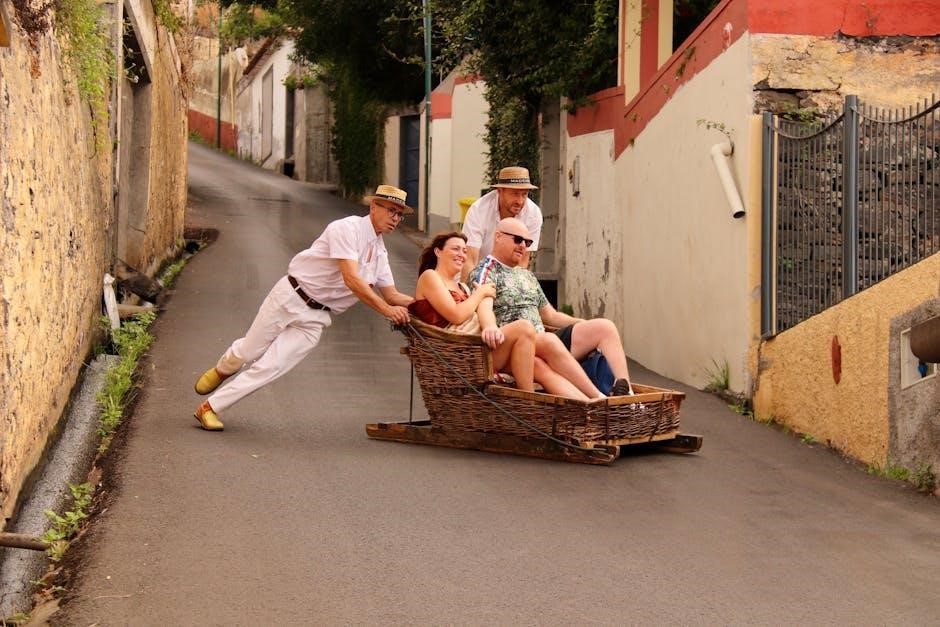
Uzbekistan provides incredible opportunities for cultural immersion‚ extending far beyond its historical sites. Visitors can participate in masterclasses learning traditional crafts like ceramics‚ silk weaving (especially in Margilan)‚ and intricate embroidery (Suzani). Exploring local bazaars is essential – not just for shopping‚ but for observing daily life and interacting with artisans.
Homestays offer a particularly authentic experience‚ allowing travelers to connect with families‚ share meals‚ and learn about Uzbek traditions firsthand. The 30th Tashkent International Tourism Fair highlighted the importance of supporting local crafts. Attending a traditional music or dance performance‚ or even a cooking class focused on plov‚ will deepen your understanding of Uzbek culture and create lasting memories.
Practical Tips for Travelers
Planning involves understanding currency exchange‚ language nuances‚ and accommodation choices; prioritizing safety and health is also crucial for a smooth journey.
Currency & Money Exchange
Uzbekistan’s official currency is the Uzbekistani Som (UZS). While credit cards are increasingly accepted in larger hotels‚ restaurants‚ and shops in Tashkent and Samarkand‚ cash remains king‚ particularly in smaller cities‚ bazaars‚ and for local transportation. It’s advisable to carry US dollars or Euros for exchange.
Money exchange facilities are readily available at banks and official exchange bureaus. Avoid exchanging money on the black market‚ as this is illegal and carries risks. Banks generally offer better exchange rates than hotels. Be aware of commission fees‚ which can vary. It’s prudent to declare large sums of currency upon arrival and departure‚ adhering to customs regulations. Keeping smaller denominations of Som is helpful for everyday purchases.
Language & Communication
Uzbek is the official language of Uzbekistan‚ but Russian remains widely spoken‚ particularly in urban areas and among older generations. English proficiency is growing‚ especially within the tourism sector‚ but it’s still limited outside of major hotels and tour operators. Learning a few basic Uzbek or Russian phrases will greatly enhance your interactions with locals and demonstrate respect.
Communication infrastructure is improving‚ with mobile phone coverage generally good in cities and along major routes. Purchasing a local SIM card is a cost-effective way to stay connected. Wi-Fi is available in many hotels‚ cafes‚ and restaurants‚ though the speed and reliability can vary. Consider downloading offline translation apps and maps before your trip to assist with communication and navigation.
Accommodation Options
Uzbekistan offers a diverse range of accommodation to suit all budgets and preferences. In major cities like Tashkent‚ Samarkand‚ and Bukhara‚ you’ll find international hotel chains alongside modern boutique hotels and comfortable guesthouses. Expect high standards of service and amenities in the larger hotels.
For a more immersive cultural experience‚ consider staying in traditional guesthouses‚ often located in historic neighborhoods. These offer a chance to interact with local families and enjoy home-cooked meals. Budget travelers can find hostels and basic hotels in most cities. Booking in advance is recommended‚ especially during peak season (spring and autumn)‚ to secure your preferred choice and potentially benefit from better rates. Rural areas may have limited options‚ primarily consisting of simple guesthouses.
Safety & Health Considerations
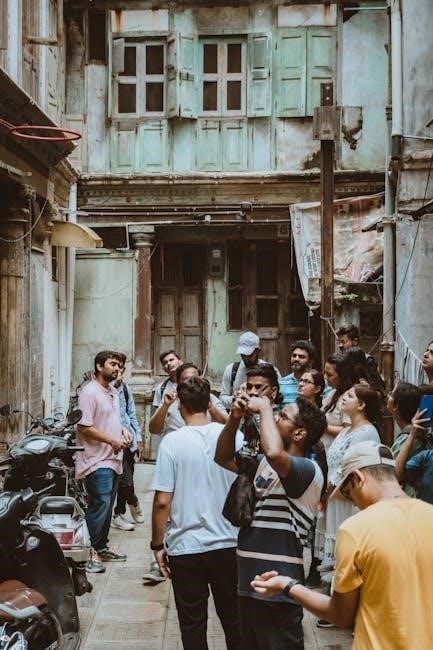
Uzbekistan is generally a very safe country for tourists‚ with a low crime rate. However‚ it’s always wise to be aware of your surroundings and take standard precautions against petty theft‚ particularly in crowded areas like bazaars and on public transport. Avoid displaying expensive jewelry or large amounts of cash.
Regarding health‚ it’s recommended to consult your doctor about necessary vaccinations and health precautions before traveling. Tap water is generally not safe to drink; stick to bottled water. Food hygiene standards are generally good‚ but exercise caution when eating from street vendors. Travel insurance is highly advisable to cover any unexpected medical expenses or emergencies. Be mindful of the strong sun‚ especially during the warmer months‚ and use sunscreen and stay hydrated.
Emerging Trends in Uzbekistan Tourism
Uzbekistan’s tourism sector is booming‚ fueled by increased flights‚ multi-country routes‚ and innovative AI-powered planning tools for a seamless experience.
Growth in Inbound Tourism
Uzbekistan is experiencing a remarkable surge in inbound tourism‚ recently ranking among the top seven fastest-growing destinations globally. This impressive growth is driven by a confluence of factors‚ including increased accessibility through expanded flight routes and a growing interest in the country’s rich cultural heritage. The revival of the Silk Road as a tourism theme is a significant contributor‚ attracting visitors eager to explore historical sites and experience the unique blend of traditions.
Data from the World Tourism Organization (UN Tourism) confirms this upward trend‚ highlighting Uzbekistan’s success in attracting international travelers. This positive momentum is expected to continue‚ with ongoing investments in tourism infrastructure and marketing initiatives aimed at further promoting the country as a must-visit destination in Central Asia.
The Role of AI in Tourism Planning
Artificial Intelligence (AI) is increasingly playing a pivotal role in shaping the future of tourism planning in Uzbekistan. The 30th Tashkent International Tourism Fair showcased how AI-powered tools are being utilized to enhance travel experiences and streamline logistical operations. These tools assist in crafting personalized itineraries‚ optimizing travel routes‚ and providing real-time information to tourists.
AI algorithms analyze vast datasets to predict travel patterns‚ identify emerging trends‚ and tailor marketing campaigns to specific demographics. This data-driven approach allows Uzbekistan to effectively target potential visitors and promote its diverse tourism offerings. Furthermore‚ AI-powered chatbots and virtual assistants are improving customer service and providing instant support to travelers‚ contributing to a more seamless and enjoyable journey;