
Understanding Clean STD Test Results in PDF Format
Receiving your sexually transmitted disease (STD) test results digitally, often as a PDF, is increasingly common and offers convenience․
Understanding
what a ‘clean’ result signifies within this format is crucial for your health and peace of mind, ensuring informed decisions regarding sexual wellness․
PDF reports provide a secure and easily shareable method for accessing sensitive medical information, streamlining communication with healthcare providers․
These documents detail the specific tests performed and their corresponding outcomes, allowing for clear interpretation of your STD status․
A ‘clean’ result, generally indicated as ‘negative’ or ‘non-reactive’ in the PDF, means no evidence of infection was detected during the testing process․
However, it’s vital to remember that a negative result doesn’t eliminate all risk, and continued safe practices are essential․
Sexually transmitted diseases (STDs), also known as sexually transmitted infections (STIs), remain a significant public health concern, impacting millions annually․
Regular testing is paramount for early detection, treatment, and preventing further spread, safeguarding individual and community well-being․
Understanding the importance of proactive screening is the first step towards responsible sexual health management․
Traditionally, STD test results were delivered during in-person appointments․ However, the digital age has ushered in a shift towards convenient, secure electronic delivery, predominantly through PDF reports․
This method offers numerous advantages, including quicker access to results, enhanced privacy, and ease of sharing with healthcare professionals․
PDFs ensure the integrity of the data, preventing unauthorized alterations․
These reports typically contain detailed information about the tests conducted, the methodologies employed, and, most importantly, the interpretation of the findings․
Familiarizing yourself with the structure and terminology used in these reports empowers you to understand your health status and engage in informed discussions with your doctor․
What Constitutes a “Clean” STD Test Result?
A “clean” STD test result, as presented in a PDF report, fundamentally indicates the absence of detectable infection at the time of testing․
This is typically represented by terms like “negative,” “non-reactive,” or “not detected,” depending on the specific test performed․
However, it’s crucial to understand the nuances of these terms and what they signify regarding your overall sexual health․
A negative result doesn’t guarantee complete freedom from STDs․ The “window period” – the time between infection and when a test can accurately detect it – varies for each disease․
Therefore, recent exposure might not be reflected in a negative result, necessitating repeat testing․
Understanding this timeframe is vital for accurate interpretation․
Furthermore, a clean result applies only to the specific STDs tested for in the panel․ It doesn’t automatically rule out the possibility of other infections․
Regular and comprehensive screening, guided by your risk factors, remains the cornerstone of responsible sexual health management, ensuring a complete picture of your status․

Common STD Tests and Their Results
Various tests screen for different STDs; a clean PDF report details each result, indicating negative or non-reactive statuses for infections like chlamydia, gonorrhea, syphilis, HIV, and herpes․
Chlamydia and Gonorrhea Testing
Chlamydia and gonorrhea are frequently tested for together, often using a single urine sample or swab․ A clean PDF report for these bacterial infections will display “Negative” or “Not Detected” for both organisms․ This indicates no current infection was found in the tested sample;
However, it’s crucial to understand that these tests have a window period – the time between infection and when it can be reliably detected․ A recent infection might yield a false negative, even if you are infected․ Therefore, repeat testing may be recommended if symptoms persist or if you’ve had recent unprotected exposure․
The PDF report will typically list the testing method used (e․g․, NAAT – Nucleic Acid Amplification Test), which is highly sensitive․ A negative result offers reassurance, but consistent safe sexual practices and regular screening remain vital for maintaining sexual health․ Always discuss any concerns with your healthcare provider․
Syphilis Testing
Syphilis testing often involves a two-step process, initially screening with a non-treponemal test (like RPR or VDRL) and confirming with a treponemal test (like FTA-ABS or TP-PA) if the initial screen is positive․ A clean PDF report will show “Non-Reactive” for both initial and confirmatory tests, signifying no evidence of current syphilis infection․
However, syphilis testing can be complex․ A previously treated infection may show a positive confirmatory test even if you are currently cured․ Your PDF report should clarify if past treatment is noted․ The window period for syphilis can vary, so recent exposure might not be detected immediately․
Understanding the specific tests performed and their interpretations is crucial․ Discuss any uncertainties with your doctor․ A negative result provides reassurance, but ongoing safe practices and periodic screening are essential, especially with risk factors․
HIV Testing
HIV testing in a PDF report typically presents results as either “Reactive” (positive) or “Non-Reactive” (negative)․ A clean result, indicated as “Non-Reactive,” suggests no HIV antibodies were detected in your sample․ However, it’s crucial to understand the “window period” – the time between infection and when tests can accurately detect HIV․
The window period varies depending on the test type․ Newer generation tests have shorter window periods․ Your PDF report should specify the type of HIV test performed (e․g․, antibody, antigen/antibody combination) and the relevant window period․ If you had a recent potential exposure, a follow-up test may be necessary․
A negative result doesn’t eliminate all risk; continued safe practices are vital․ Discuss any concerns or potential exposures with your healthcare provider for personalized guidance and potential retesting recommendations․

Herpes Testing (HSV-1 and HSV-2)
Herpes testing, covering both HSV-1 and HSV-2, presents unique challenges in PDF report interpretation․ Unlike some STDs, herpes tests don’t always provide a definitive “clean” result․ A negative result may simply mean antibodies weren’t detected at the time of testing, not that you’re entirely free of the virus․
PDF reports often differentiate between Type-Specific antibody tests (identifying antibodies to HSV-1 or HSV-2) and Viral Culture/PCR tests (detecting the virus itself)․ A negative Type-Specific antibody test suggests no prior infection․ A negative Viral Culture/PCR indicates no active outbreak was detected when the sample was taken․
False negatives are possible, especially if testing is done during a period of viral dormancy․ Discuss any symptoms or concerns with your doctor, as herpes diagnosis can be complex․
Trichomoniasis Testing
Trichomoniasis, a common STD caused by a parasite, is typically diagnosed through microscopic examination of a fluid sample or via more sensitive molecular tests․ A “clean” Trichomoniasis test result, as detailed in your PDF report, signifies no evidence of the parasite was found during the analysis․
PDF reports will usually state “negative” for Trichomonas vaginalis, indicating the absence of infection․ However, it’s important to note that false negatives can occur, particularly in women, if the sample wasn’t collected correctly or if parasite levels are low․
If symptoms persist despite a negative result, repeat testing or alternative diagnostic methods may be recommended by your healthcare provider․ Consistent use of protection remains vital, even with a negative test outcome․
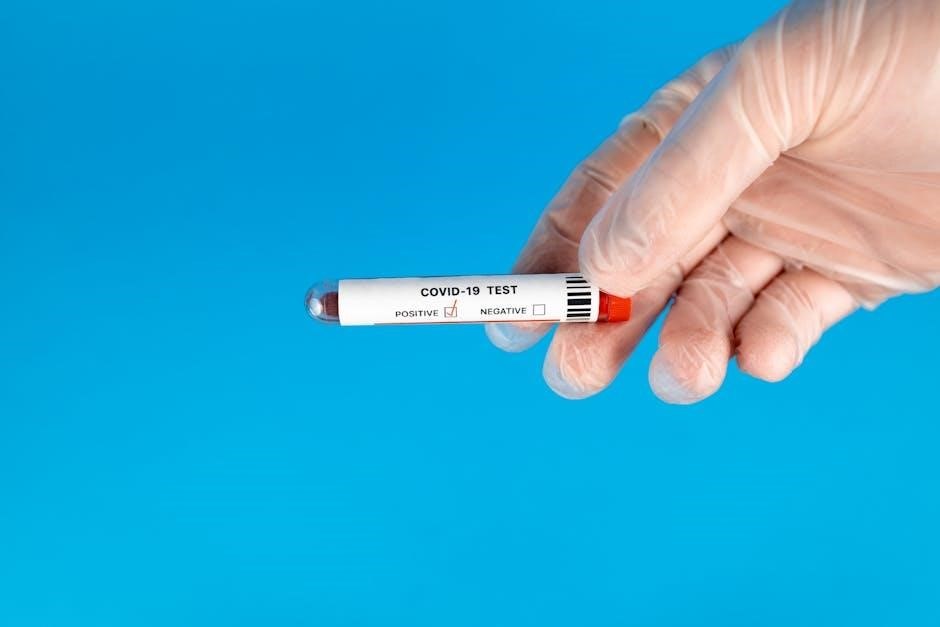
Interpreting Your STD Test PDF Report
Decoding your STD test PDF requires understanding its sections, normal ranges, and result types—negative, preliminary, or inconclusive—for accurate interpretation and informed healthcare decisions․
Key Sections of a Standard STD Test PDF
A typical STD test PDF report is structured to clearly present your results․ Firstly, you’ll find patient demographics – your name, date of birth, and report date – ensuring correct identification․ Next, the “Tests Ordered” section lists each STD tested for, like Chlamydia, Gonorrhea, Syphilis, HIV, and Herpes․
Crucially, the “Results” section details the outcome for each test, often using terms like “Negative,” “Positive,” “Inconclusive,” or “Preliminary․” Alongside each result, you’ll see a “Reference Range” or “Normal Values” – the expected range for a negative result․ Furthermore, many reports include a section explaining the testing methodology used, such as PCR or antibody testing․
Often, a “Comments” section provides additional context from the lab or physician, clarifying any unusual findings or recommending follow-up actions․ Finally, the report will include the laboratory’s information, including accreditation details and contact information, ensuring transparency and accountability․ Understanding these sections is vital for interpreting your clean STD test results accurately․
Understanding Normal Ranges and Negative Results
When reviewing your STD test PDF, “Normal Ranges” represent the expected values if no infection is present․ These ranges vary depending on the specific test and laboratory․ A “Negative” result signifies your values fall within this normal range, indicating no detectable infection at the time of testing․
For example, a negative Chlamydia or Gonorrhea test might show “Not Detected,” while a Syphilis test could report a “Non-Reactive” result․ HIV tests often report antibody levels, with a negative result indicating no antibodies were found․ It’s important to note that “Negative” doesn’t guarantee complete absence of infection, especially shortly after potential exposure․
The “window period” – the time between infection and detectable results – varies by STD․ Therefore, a negative result requires consideration of your recent sexual activity and potential exposure risks․ Always discuss any concerns with your healthcare provider to ensure appropriate follow-up and continued safe practices․
Decoding Positive, Preliminary, and Inconclusive Results
A “Positive” result on your STD test PDF indicates the presence of an infection, confirmed by detectable antibodies, antigens, or genetic material․ This necessitates immediate medical attention for diagnosis and treatment․ “Preliminary” results, sometimes seen in HIV testing, suggest a possible infection requiring confirmatory testing․
These initial screenings aren’t definitive and must be followed up with more specific assays․ “Inconclusive” results mean the test couldn’t definitively determine the presence or absence of infection, often due to technical issues or the window period․
An inconclusive result doesn’t mean you’re clear; repeat testing is crucial after a specified timeframe․ Regardless of the result type, avoid self-treating and promptly consult your healthcare provider for proper interpretation and guidance․ Understanding these distinctions is vital for appropriate medical management and preventing further transmission․

PDF Format and Data Security
PDFs offer a secure way to receive sensitive STD test results, protecting your privacy through encryption and controlled access features․
This digital format ensures confidentiality and convenient storage․
Benefits of Receiving Results in PDF Format
Receiving your STD test results in PDF format presents numerous advantages, enhancing both convenience and security․ PDFs are universally accessible, meaning you can view them on virtually any device – smartphones, tablets, or computers – without requiring specialized software․ This accessibility allows for immediate review and understanding of your health status․
Furthermore, PDFs maintain the original formatting of the report, ensuring clarity and preventing alterations to crucial information․ They are also easily printable for physical records or sharing with healthcare providers․ The inherent security features of PDFs, such as password protection and encryption, safeguard your sensitive medical data from unauthorized access․
Compared to other methods like phone calls or unsecured emails, PDFs offer a more confidential and reliable means of communication․ You control who has access to the document, minimizing the risk of privacy breaches․ This secure delivery method is particularly important when dealing with personal health information like STD test results, promoting peace of mind and responsible health management․
Ensuring the Privacy and Security of Your PDF Report
Protecting the privacy of your STD test results, delivered as a PDF, is paramount․ Begin by downloading the PDF to a secure, password-protected device․ Avoid accessing it on public or shared computers․ Consider enabling password protection within the PDF itself, adding an extra layer of security against unauthorized viewing;
Be cautious about how you share the document․ Avoid sending it via unsecured email; instead, utilize secure patient portals offered by your healthcare provider or encrypted messaging apps․ When printing, ensure the printer is in a private location to prevent unintended exposure․
Regularly update your device’s security software and be vigilant against phishing attempts that might mimic legitimate healthcare communications․ If you suspect a breach, immediately notify your healthcare provider and consider monitoring your credit report․ Responsible handling of your PDF report safeguards your sensitive health information and maintains your confidentiality․
What to Do With Clean STD Test Results
A negative STD test result, confirmed in your PDF report, allows for continued open communication with partners about sexual health․
Maintain safe practices,
and schedule regular screenings for ongoing well-being․
Sharing your results can foster trust and informed decision-making within your relationships, promoting responsible sexual behavior․ Remember, consistent prevention remains vital․
Sharing Results with Partners
Openly discussing STD test results, particularly a clean PDF report, with your sexual partner(s) is a cornerstone of responsible sexual health․ Transparency builds trust and demonstrates respect for each other’s well-being, fostering a safer and more honest relationship dynamic․ It allows for shared decision-making regarding safer sex practices and future testing schedules․
While sharing is encouraged, remember you are not legally obligated to disclose your STD status in many jurisdictions; However, ethical considerations strongly support informing partners, especially if you have engaged in unprotected sex․ A clear, negative result from your PDF can alleviate anxieties and encourage both parties to prioritize ongoing testing․ Consider how your partner might react and choose a comfortable, private setting for the conversation․ Be prepared to answer questions and offer support, reinforcing the importance of mutual health and safety․
Ultimately, sharing a clean STD test result, presented as a PDF, empowers both you and your partner to navigate sexual health with confidence and informed consent․
Maintaining Safe Sexual Practices
Even with a clean STD test result, evidenced by a negative PDF report, consistently practicing safe sex remains paramount for protecting your health and preventing future infections․ A negative result indicates the absence of detected infections at the time of testing, but doesn’t guarantee immunity or eliminate risk with subsequent exposures․
Consistent and correct condom use during every sexual encounter significantly reduces the transmission of STDs․ Open communication with partners about sexual history and testing status is also crucial․ Consider limiting the number of sexual partners to minimize risk․ Regular STD screening, even with consistently negative results, is recommended, especially with new partners or changes in sexual behavior․
Remember, some STDs may not immediately present symptoms, making regular testing and proactive safe sex practices essential․ A clean PDF result is a positive step, but ongoing vigilance is key to maintaining long-term sexual health and well-being․
Importance of Regular STD Screening
While a clean STD test result, as documented in your PDF report, offers reassurance, it doesn’t negate the importance of ongoing, regular screening․ STDs can be contracted at any time with unprotected sexual contact, even after receiving a negative result․ Periodic testing serves as a proactive measure to detect any new infections promptly․
The frequency of screening depends on individual risk factors, including sexual activity level, number of partners, and engagement in unprotected sex․ Individuals with multiple partners or inconsistent condom use should consider more frequent testing․ Even with a monogamous partner, annual screening is advisable, particularly if either partner has had previous infections․
Regular screening, and reviewing the PDF results with a healthcare professional, allows for early detection and treatment, preventing complications and further transmission․ It’s a responsible approach to sexual health, ensuring continued well-being and peace of mind․

Dealing with False Positives and False Negatives

Although rare, STD tests aren’t perfect; false positives or negatives can occur, impacting your PDF report’s interpretation․
Follow-up testing confirms accuracy and ensures appropriate care․
Understanding potential errors is vital, as a positive result requires verification, and a negative result doesn’t always guarantee the absence of infection․
Understanding the Possibility of Errors
It’s essential to acknowledge that STD tests, even those resulting in a PDF report, aren’t infallible and can occasionally yield inaccurate results․ Several factors contribute to the possibility of errors, including the test’s sensitivity and specificity, the timing of the test relative to infection, and even human error during sample collection or laboratory analysis․
A false positive result indicates the test detected an infection when none actually exists․ This can occur due to cross-reactivity with other antibodies or substances in the body, or contamination of the sample․ Conversely, a false negative result means the test failed to detect an infection that is present, potentially due to testing too soon after exposure (before antibodies have developed) or a low viral load․

These inaccuracies highlight the importance of discussing your results with a healthcare provider, especially if they seem inconsistent with your risk factors or symptoms․ Understanding these limitations empowers you to advocate for your health and seek appropriate follow-up testing when necessary, ensuring a reliable assessment of your STD status․
Follow-Up Testing Recommendations
Even with a clean STD test result presented in a PDF format, certain situations warrant consideration for follow-up testing․ If you have recently engaged in risky behavior, a repeat test after a specified window period – the time it takes for an infection to become detectable – is highly recommended․ This window period varies depending on the specific STD․
Furthermore, if you experience any symptoms suggestive of an STD, despite a negative PDF report, consult your healthcare provider immediately․ Symptoms may indicate a false negative result or a new exposure․ Periodic retesting is also advisable for individuals with multiple sexual partners or those who don’t consistently use barrier methods․
Ultimately, proactive follow-up testing, guided by your individual risk factors and healthcare provider’s recommendations, ensures ongoing monitoring of your sexual health and provides peace of mind․ Don’t hesitate to discuss any concerns or uncertainties regarding your results and testing schedule․

Resources for Further Information
For comprehensive details on STDs, the CDC website is invaluable․ Planned Parenthood also offers extensive resources and testing services․
CDC Website on STDs
The Centers for Disease Control and Prevention (CDC) provides a wealth of information regarding sexually transmitted diseases, serving as a primary resource for understanding test results․ Their website (https://www․cdc․gov/std/) offers detailed explanations of various STDs, including testing procedures, potential symptoms, and treatment options․
Specifically, the CDC’s resources clarify what constitutes a negative or “clean” test result for each STD, outlining the limitations of testing and the window period – the time between infection and when a test can accurately detect it․ You’ll find information on interpreting different types of tests, such as antibody tests, nucleic acid amplification tests (NAATs), and cultures․
Furthermore, the CDC website addresses frequently asked questions about STDs, including guidance on discussing results with partners, preventing transmission, and accessing healthcare services․ It’s a reliable source for evidence-based information, helping individuals make informed decisions about their sexual health and understand the implications of their STD test results, even those received in PDF format․
Planned Parenthood Resources
Planned Parenthood offers comprehensive sexual health services, including STD testing and result interpretation, readily accessible through their network of health centers and online resources (https://www․plannedparenthood․org/)․ They provide clear explanations of what a “clean” or negative STD test result means in the context of a PDF report․
Their website details each STD test, outlining the testing process, potential outcomes, and what a negative result signifies regarding current infection status․ Planned Parenthood emphasizes the importance of understanding the window period – the time it takes for an infection to become detectable – even with a negative PDF result․
Beyond test interpretation, Planned Parenthood offers counseling services to discuss results, address concerns, and provide guidance on safer sex practices․ They also provide resources for communicating with partners and accessing ongoing sexual health care, ensuring individuals feel empowered and informed about their well-being, particularly when reviewing PDF reports․